

What is the reason Cisco Certifications still matter for Cloud and SD-WAN?
The IT infrastructure debate has changed dramatically. Cloud computing and Software-Defined Wide Area Networking (SD-WAN) are no longer trends; they are now fundamental components of the modern enterprise network. This change has led some to question the value of traditional network skills and, consequently, the importance of Cisco certifications. However, dismissing these certifications as outdated is a major mistake. Fundamental networking knowledge is more relevant than ever, and Cisco certifications are a crucial indicator of that knowledge for both employers and colleagues alike.
As technology advances and the way to get there changes, so too does the route to certification. Preparation for these exams requires commitment, a thorough knowledge of the latest technologies, and the correct tools. A trusted partner such as Cert4Prep will give you the edge you require. Access to high-quality test questions and study material ensures that you’re not just absorbing concepts, but really comprehending them. It prepares you for success on test day and throughout your professional networking career. Numerous professionals have found Cert4Prep resources to be extremely helpful in building confidence before taking their certification tests.
The Unchanging Importance of Networking Fundamentals
Cloud and SD-WAN aren’t alternatives to traditional networking. Rather, they are abstractions that sit over them. To efficiently manage, troubleshoot, and secure these technologies, a fundamental understanding is essential.
Core Concepts Remain Critical
Consider cloud services and SD-WAN as sophisticated applications that depend on robust network infrastructure. Regardless of the level of technology, they still rely on the same components that have governed data communication for a long time.
- TCP/IP Protocol Suite: Data packets must be handled, routed, and delivered with a high degree of reliability, whether they’re headed to the local server or a cloud-based instance. Unexpected interruptions in this layer could stop the entire process.
- Routing and Switching: Protocols such as BGP and OSPF are vital for directing traffic in a hybrid system that connects on-premises data centers to the public cloud. For example, setting up dynamic routing to ensure seamless failover between the physical branch and a cloud-based data center can be a daily responsibility for certified professionals.
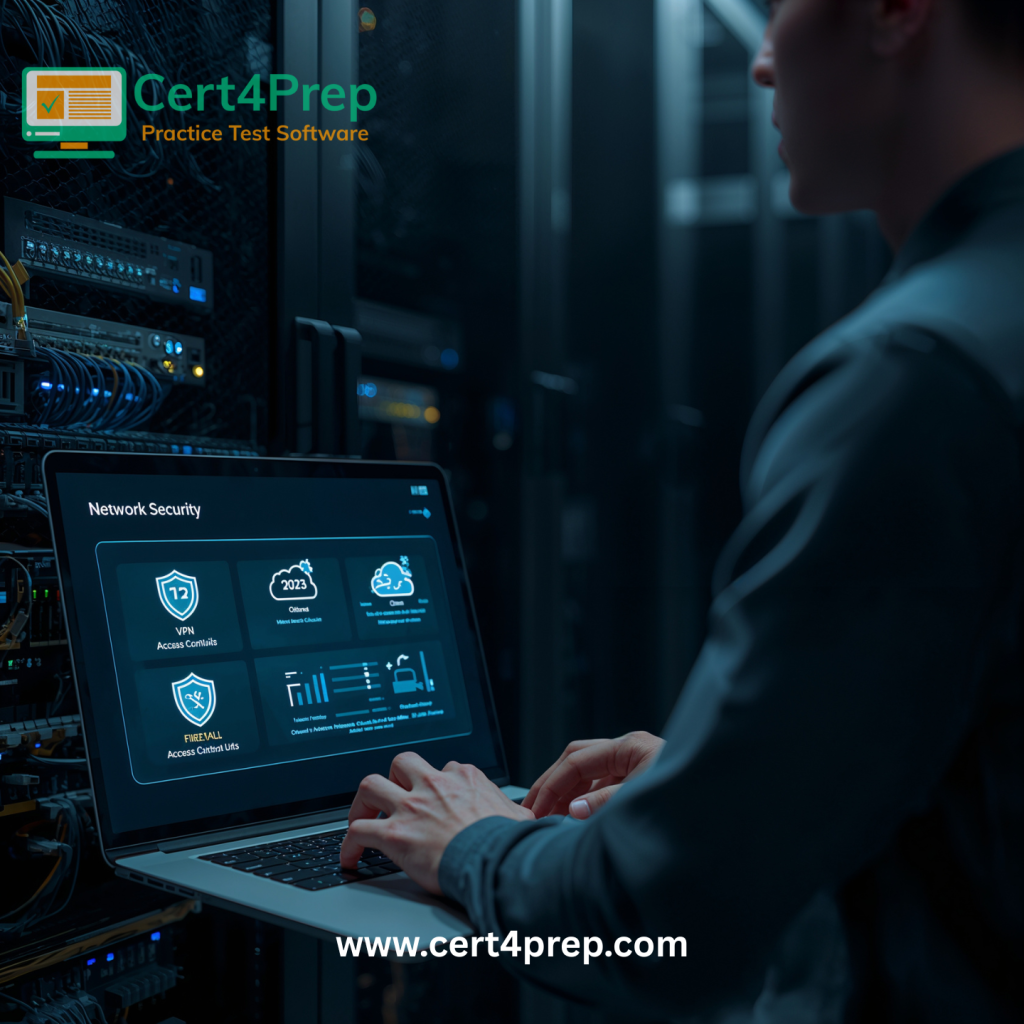
- Network Security: Concepts such as firewalls, access control lists (ACLs), and VPNs are crucial for protecting your network’s perimeter, regardless of where the border lies. Secure connections between the cloud and the office, and the setup of safe access for remote employees, are situations that network specialists often face.
- Troubleshooting Best Practices: Understanding how to resolve connectivity, latency, or security issues effectively can help businesses save time and money.
An individual who does not understand these fundamentals will be unable to recognize problems when the SD-WAN overlay fails or when cloud connections experience latency. Cisco certifications — particularly at the CCNA and CCNP levels — verify that you have this essential foundational knowledge, boosting your credibility and employability.
How Cisco Certifications Have Changed Over Time in the industry
Cisco hasn’t slowed down as the market has evolved. The company is actively redesigning its certification paths to incorporate the latest technologies. It ensures that its certifications reflect employers’ competencies today.
Integrating Cloud and Automation
The contemporary Cisco curriculum isn’t just about switches and routers. It focuses on the competencies needed for today’s software-defined, automated, and cloud-integrated network.
- Automation and Programmability: The most recent versions of CCNA, CCNP, and CCIE tests include significant coverage of network automation using tools such as Python APIs and configuration management platforms. It aligns directly with the cloud’s operational model and SD-WAN. As networks grow and evolve, this skill is essential to ensuring consistency and efficiency.
- Security Across the Board: Security is no longer confined to specific areas. It’s an integral component of each Cisco certificate track, reflecting the “security-first” mindset required in the world of distributed apps and complex threat landscapes. Network engineers are required to spot potential security weaknesses and take effective security measures at all levels.
- Cloud Connectivity: The course now covers the process of securely and efficiently connecting enterprises’ networks to cloud services (such as AWS, Azure, and Google Cloud), a crucial responsibility for a contemporary network engineer. Learning how to optimize hybrid connections and incorporate cloud services into traditional networks is vital to enterprise success.
- Continuous Learning: Cisco regularly updates certification topics to keep up with industry trends. Therefore, professionals need to stay up to date to maintain their credentials.
By adjusting its certification standards, Cisco ensures that certified professionals are not only equipped to work on legacy systems but also on future networks.
Real-World Application Example
Imagine a retail giant across the globe moving its infrastructure to the cloud, while keeping its POS systems in use in retail stores. Cisco-certified engineers will:
- Develop and deploy hybrid networks.
- Set up secure SD-WAN policies that connect branches to cloud applications.
- Automate updates to networks across hundreds of sites.
- Troubleshoot cross-platform connectivity and reduce downtime.

The Value of Cisco Certifications in a Hybrid World
Many companies are not operating in a “cloud-only” environment. The reason skilled network experts with a holistic perspective are more valuable than ever is that the future of technology is a hybrid approach combining on-premises infrastructure with public and private cloud services. Skilled network experts with a holistic perspective are more valuable than ever before.
Bridging the Gap Between Old and New
A Cisco-certified professional is well-positioned to manage these mixed environments. They are knowledgeable about both the physical overlay (the switches, routers, and cables) and the virtual overlay (the SD-WAN fabric and the cloud network). This is a crucial dual skill for:
- Troubleshooting Complex Issues: If a problem occurs, it may be caused by an on-premise system, an internet connection, an SD-WAN overlay, or cloud infrastructure. If a problem occurs, it may be caused by an on-premise system, an internet connection, an SD-WAN overlay, or cloud infrastructure. An expert with complete knowledge can quickly pinpoint and fix the issue faster.
- Optimizing performance: They can ensure that the network underpinning it is configured correctly to meet the performance demands of SD-WAN and cloud applications, for example, by monitoring traffic patterns and actively managing bandwidth allocation.
- Implementing Secure Connectivity: They can develop and establish secure connections across environments to protect data that moves between the cloud and the data center.
- Supporting Digital Transformation: Certified engineers are usually at the forefront of developing platforms for collaboration, IoT connections, and advanced analytical tools built on solid, secure network foundations.
Employers realize that this bridge ability is vital to digital transformation projects. A Cisco accreditation on a resume shows the necessary skills.
More ways Cisco Certifications Are Used in the Workplace
Many companies invest in ongoing training for technical staff to ensure:
- Conformity to standard security and industry norms.
- Rapidly adapts to changing network demands and implements service rollouts.
- The same network management practices are used in different locations and environments.
How Cert4Prep Helps You achieving the CISCO Certification
Achieving a Cisco certification can be difficult but rewarding. Success is more than textbooks. It demands hands-on knowledge and an understanding of the exam structure. This is why high-quality preparatory materials are essential.
Practice tests provided by an authentic source, such as Cert4Prep, are among the most efficient ways to prepare. These tools mimic the actual exam, helping you gain confidence and identify areas you need more time to study. Practice tests can help you:
- Understand Question Formats: Learn to be comfortable with the drag-and-drop and multiple-choice simulation-style questions you’ll face in the real exam.
- Manage Your Time Effectively: Timed tests can be overwhelming. Practice tests can help you learn to manage your time so that you can be prepared for every question.
- Identify Knowledge Gaps: Re-reading your test results will reveal the subjects you’ve learned and which need further study.
- Reduce Exam Anxiety: Going into the test center confident that you’ve dealt with similar issues previously is a benefit.
- Track Progress Over Time: Cert4Prep provides analytical tools to track progress and strengthen weak spots.
Making the effort to prepare yourself will help you invest in your professional development. Using top-quality test preparation from Cert4Prep could mean the difference between passing and failing, helping you move closer to your career objectives.